Barsi in Varanasi: A Complete Guide to Rituals and Services
Barsi, the first death anniversary ritual in Hinduism, holds great spiritual and emotional significance. It is not just a ceremony, but a sacred duty performed by the family of the deceased to ensure the soul’s peace and progress in the afterlife. In the holy city of Varanasi, performing Barsi is considered especially auspicious, as it is believed to bring ultimate salvation to the departed soul.In this guide from Banaras Diary, we’ll explore everything you need to know about Barsi in Varanasi: its meaning, rituals, services, providers, and how to perform it with devotion and accuracy.
History of Barsi Ceremony
The Barsi ceremony has its origins in ancient Vedic traditions, deeply embedded in the spiritual and social fabric of Hindu culture. The ritual is mentioned in sacred texts such as the Garuda Purana, Manusmriti, and Mahabharata, which emphasize the importance of honoring one’s ancestors to ensure peace in the afterlife. In early Indian civilization, the concept of Shraddha evolved to include annual remembrance, with Barsi becoming a key observance after the first year of passing. The custom has been preserved across generations, symbolizing the eternal bond between the living and their forefathers.
Barsi is the Hindu ritual performed on the first death anniversary of a loved one.
It is also known as Varsi, Tithi Shraddha, or Abdhivatsarik Shraddha.
Performed to pay homage to ancestors and ensure peace to the departed soul.
Typically observed on the same tithi (lunar date) as the death.
Carried out by the eldest son or the head of the family.
Barsi is not only a ritual but an emotional moment that strengthens the bond between generations. It is believed that performing Barsi helps the soul of the deceased attain peace, happiness, and freedom from the cycle of rebirth. It is a sacred duty of the living family to perform this ceremony with devotion, purity, and the guidance of learned Vedic priests.Historically, the tradition of Barsi is rooted in ancient Hindu practices described in scriptures like the Garuda Purana. It reflects the timeless value placed on ancestral reverence in Indian culture. By observing Barsi, families honor not only the individual who has passed but also the lineage and heritage that connects past generations with the present.
Religious Importance of Barsi
According to Hindu scriptures like Garuda Purana and Shraddha Kalpa, performing Barsi is a vital samskara (ritual) that connects the soul with divine energies and relieves it from earthly bonds.Benefits of Performing Barsi:
Peace and progression of the soul
Removal of Pitru Dosha (ancestral imbalance)
Prosperity and blessings for the living family
Emotional and karmic healing
Ensures peace, liberation, and spiritual upliftment of the deceased
Enhances spiritual growth for both the soul and the family
Religious beliefs state that without proper Shraddha, including Barsi, the soul may remain in Pitru Yoni — an unsettled ancestral state. This can result in Pitru Dosha, an astrological and spiritual imbalance that affects generations. Performing Barsi fulfills the karmic responsibilities of the family and helps release the soul from earthly attachments.
When Should Barsi Be Performed?
On the same tithi (lunar date) of death, as per the Hindu calendar.
If unsure, it can be performed during Pitru Paksha or on Amavasya.
Timings are usually decided by a qualified pandit after checking Panchang (Hindu almanac).
If the exact tithi is missed due to unforeseen circumstances, the ritual can also be performed during Pitru Paksha, a fortnight dedicated to honoring ancestors, or on Amavasya (new moon day), which is considered sacred for ancestral rites.Important Guidelines:
Check the exact tithi through a qualified priest or Hindu calendar.
Choose a day and muhurta (auspicious time) recommended by a pandit.
Perform rituals in the morning hours for maximum spiritual benefit.
If performing in Varanasi, coordinate early for arrangements at ghats and with priests.
By conducting Barsi at the right time with devotion, one can ensure the soul’s onward journey to higher realms and gain spiritual merit for the entire family. Timely performance of Barsi not only honors ancestral spirits but also blesses the living with peace, prosperity, and protection.
List – Barsi Rituals in Varanasi
Here is a detailed list of rituals typically performed during Barsi:
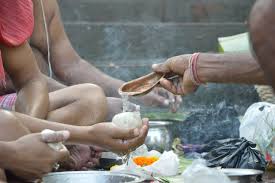
Pind Daan – Offering rice balls to ancestors.
Tarpan – Offering water with sesame to forefathers.
Shraddha Puja – Vedic ritual for peace of the departed.
Havan (Homa) – Fire ritual with sacred chants.
Feeding Brahmins – Essential part of Shraddha.
Cow Feeding – Considered a noble offering.
Asthi Visarjan – Immersion of ashes in Ganga (if not done earlier).
Barsi Puja Vidhi – Step-by-Step Process
Snan (Bathing in Ganga) – Purifies body and mind.
Sankalp – Family makes a vow to perform the puja.
Pind Daan – Performed at ghats like Dashashwamedh or Harishchandra.
Tarpan – Offering to Pitrs while chanting mantras.
Shraddha Karma – Includes havan, brahmin bhojan, dakshina.
Donation – Clothes, food, and items to Brahmins and poor.
Kashi Vishwanath Corridor – For temple blessings after rituals.
Recommended Barsi Services
Banaras Diary makes the Barsi process smooth and spiritually rich in Varanasi.From the moment you contact Banaras Diary, you are guided step-by-step. The team assists with everything — from finding the most experienced and knowledgeable pandits to arranging puja materials, selecting appropriate ghats, and setting up logistics like accommodation or transport if required.When someone calls Banaras Diary, they are directly connected to the local ritual experts and priests who specialize in performing traditional Barsi ceremonies with authenticity and devotion. Whether you are in Varanasi or living abroad, the team ensures your family’s spiritual needs are fulfilled seamlessly and respectfully.Whether the Barsi is to be performed in-person or virtually, Banaras Diary coordinates all aspects — from booking, samagri, pandit, video support for NRIs, and final ritual completion certificates. The team ensures your family experiences spiritual peace without stress.Services Offered:
Experienced Pandits
Samagri (puja material)
Food for Brahmins and family
Online streaming for NRIs
Accommodations and transport
On-call support and coordination
Direct connection with purohits
Online Barsi Puja Services
For families who can’t travel to Varanasi, online options are available:
Live video streaming of the complete ritual
Personalized puja done in your name
Photos & videos shared via WhatsApp/email
Pandit consultations on call
Certificate of Completion for rituals
Important Tips for Barsi
Choose the right tithi with a learned priest
Wear white and simple traditional attire
Avoid alcohol and non-veg on the day
Include family members for collective blessings
Always donate to the needy after rituals
Contact for Barsi in Varanasi
Banaras Diary offers trusted services for complete Barsi rituals in Varanasi.

Leave your comment